
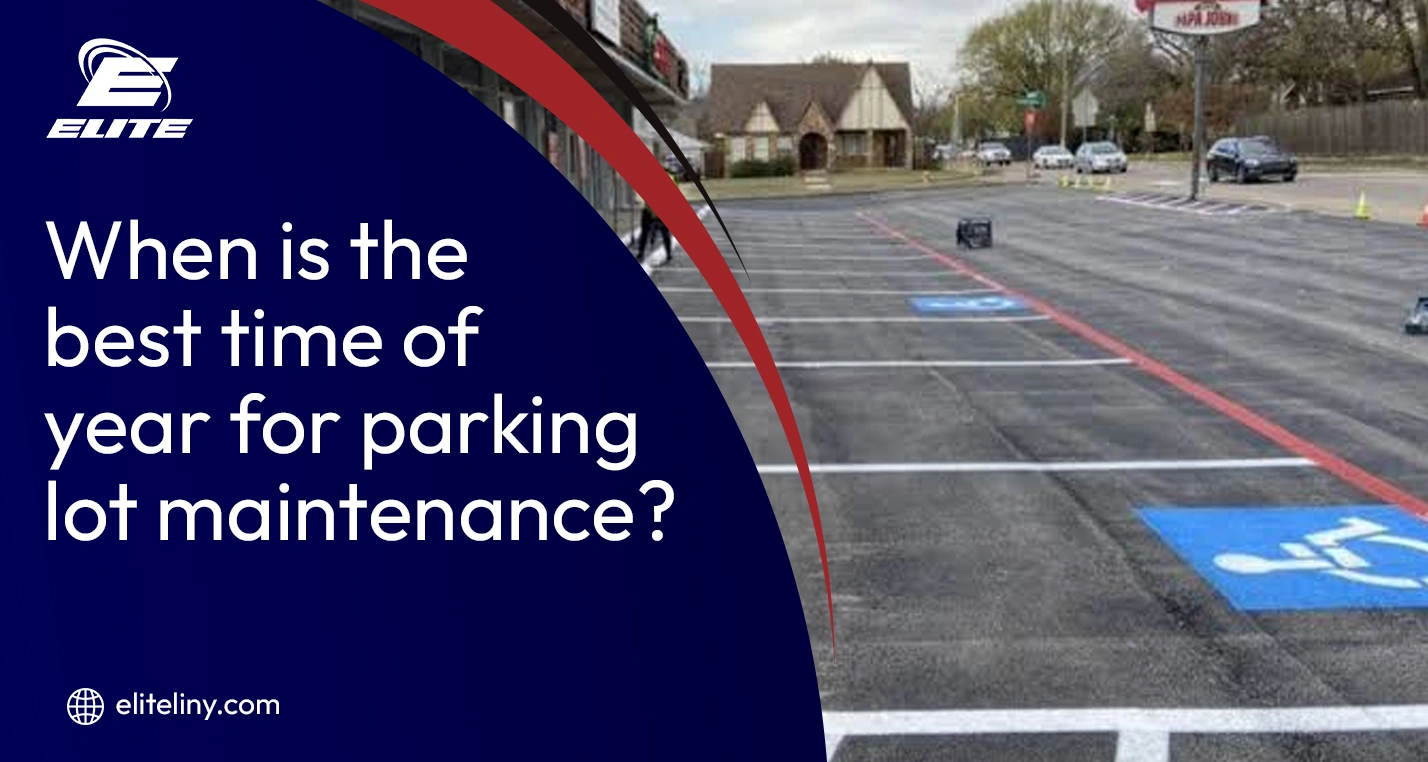
Your parking lot is constantly damaged by cars, weather, and time. You know maintenance is needed but when should you schedule it? Too many property owners wait too long or pick the wrong season. Bad timing means repairs fail quickly and you waste money on work that doesn’t last. The right season makes all the difference between repairs that last years and those that last just months. Getting the timing right protects your investment. Let’s get straight to what timing actually works best for your parking lot investment.
Quick Answer
|
How Different Seasons Affect Parking Lot Maintenance
Each season brings unique challenges for your parking lot. Temperature, moisture, and sunlight completely change how asphalt behaves. Understanding these effects helps you schedule maintenance when it actually works. You’ll stop wasting money on repairs that fail within months.
- Temperature Swings Damage Asphalt
Hot days and cold nights make asphalt expand and contract constantly. This movement creates stress cracks that spread quickly. Spring and fall temperature volatility causes more cracking than stable summer heat. Plan repairs during stable temperature periods for lasting results. - Moisture Seeps Into Cracks
Rain and snowmelt easily penetrate even small cracks. Water expands when frozen, significantly widening damage. Winter moisture causes the most severe structural problems you’ll face. Seal cracks before the wet season arrives to effectively block water entry. - UV Rays Break Down Binder
Summer sun steadily oxidizes asphalt binder over time. This makes pavement brittle and turns it gray quickly. Sealcoating helps restore and renew protection against UV damage. Apply fresh sealant before peak summer heat to maximize protection levels. - Freeze-Thaw Cycles Wreak Destruction
Winter’s repeated freezing and thawing is brutal on asphalt. Water enters cracks, freezes, expands, then melts repeatedly. This cycle repeats through seasonal freeze-thaw periods, destroying asphalt faster than many other environmental stressors. Address damage immediately after winter ends before problems spread.
Best Time of Year for Common Parking Lot Maintenance Services
Not every service works best at the same time. Each maintenance task has specific temperature and weather requirements. Match your service to the right season for repairs that last years, not months.
Sealcoating
Sealcoating needs warm, dry conditions to bond properly. Late spring through early summer offers the best window. Temperatures must stay above 50°F for 24-48 hours after application. Avoid peak summer heat above 90°F, which can cause cracking. Fall sealcoating works if done before October when temperatures drop.
Crack Filling and Crack Sealing
Crack filling works in a wider temperature range than sealcoating does. Spring catches cracks before summer expansion worsens them quickly. Fall seals cracks before winter water damage begins. Temperatures above 40°F allow proper material flow effectively. Clean cracks thoroughly before filling to remove debris and moisture for lasting results.
Asphalt Overlay and Resurfacing
Resurfacing demands stable warm weather for proper curing. Summer provides the most reliable conditions consistently. Ground must be dry and temperatures consistent above 50°F. Avoid fall resurfacing unless local weather conditions remain suitable for proper curing. Spring works if the ground has completely dried after winter snowmelt.
Pothole Repairs
Pothole repairs happen year-round as emergencies occur constantly. Winter uses cold-applied patching material temporarily until spring. Spring and summer allow permanent hot-applied repairs that last years. Address potholes immediately since they worsen quickly with traffic. Don’t wait for perfect conditions; safety matters more than ideal conditions.
Parking Lot Striping and Restriping
Striping needs dry conditions and temperatures above 40°F. Late spring through early fall works best for visibility. Apply before summer UV fades old lines completely. Restripe in fall before snow hides markings from drivers. Avoid winter stripping, since plowing and winter wear can reduce paint adhesion and shorten its lifespan.
How to Create a Year-Round Parking Lot Maintenance Plan
Waiting for problems means paying significantly more later. A proactive plan saves money and extends pavement life reliably. Schedule inspections and repairs strategically throughout the year instead.
Spring Inspection
Walk your lot after winter conditions have passed and the surface has stabilized. Document all cracks, potholes and drainage issues carefully. Thoroughly check for winter damage from freeze-thaw cycles. Prioritize crack filling before summer expansion worsens problems. Hire a professional inspection to identify hidden subsurface damage you might miss.
Summer Repairs
Complete major repairs during the June-August warm weather consistently. Sealcoat in May-June before peak heat arrives. Resurface damaged sections before they expand further. Fill all cracks thoroughly before summer stress. Restripe faded lines for summer visibility improvements. Book contractors early since summer is the peak season. Budget for these repairs in advance to avoid stress.
Fall Preventive Maintenance
September-October is your last maintenance window before winter. Seal any new cracks before freezing starts now. Apply fresh sealcoat if summer work wasn’t done. Clear drainage systems before winter rain and snow arrive. Document all work for insurance and future planning needs. This preventive step prevents costly spring repairs later.
Winter Monitoring
Monitor your lot monthly during winter months carefully. Check for new potholes after heavy snow events. Ensure snow removal equipment doesn’t damage pavement edges. Keep drainage clear of ice buildup problems. Order spring repair materials during winter discounts are available. Use cold weather to research contractors and plan next year’s budget.
Common Mistakes Property Owners Make When Scheduling Maintenance
Even experienced property owners mess up maintenance timing. These costly errors waste money and significantly shorten pavement life. Learn what to avoid so your repairs actually last.
Waiting Until Damage Becomes Severe
Small cracks become big problems quickly without treatment. Unsealed cracks welcome water that can damage underlying base layers. Fix issues immediately instead of waiting for perfect timing. Emergency repairs cost three times more than scheduled maintenance. Think about it: would you ignore a leak in your roof? Patch small problems now before they spread.
Scheduling Work Too Late in the Season
October resurfacing fails when temperatures drop unexpectedly. November sealcoating may not bond properly if temperatures are too cold. Contractors rush to finish before winter, compromising quality badly. Book projects early in the season window carefully. Fall maintenance should consistently be completed by mid-October. Don’t gamble with weather; plan ahead and finish with a buffer.
Ignoring Weather Requirements
Sealcoating after rain means peeling failure immediately. Crack filling in cold weather creates gaps quickly. Temperature matters more than you think significantly. Check forecasts for 48-hour dry periods before work. Verify ground temperatures, not just air temperatures. Rushing work on bad weather days wastes money. Wait for proper conditions even if it delays the schedule.
Skipping Routine Inspections
You won’t know problems exist without checking regularly. Many owners inspect only when something breaks visibly. Annual inspections catch hidden issues before they spread. Professional inspectors spot subsurface damage you cannot see. Schedule inspections consistently every spring and fall. Small $500 fixes prevent $5,000 replacements later. Prevention beats emergency repair without exception.
Can parking lot maintenance be done in winter?
Only emergency pothole repairs work in winter using cold materials. Sealcoating, crack filling and resurfacing fail in cold weather. Focus on snow removal and drainage until spring warmth returns.
Is summer better than spring for asphalt repairs?
Summer offers more stable temperatures for major repairs like resurfacing. Spring works well for crack filling after winter damage appears. Both seasons are good; summer provides better curing conditions.
How often should parking lots be maintained?
Inspect annually in spring and fall consistently. Sealcoat every 2-3 years for protection. Fill cracks yearly before they expand. Resurface when damage exceeds 20% of surface area. Proactive maintenance every year prevents costly emergency replacements.
Conclusion
The best time for parking lot maintenance is late spring through early summer, with fall as your second window. Match each service to its ideal season: sealcoating in warm, dry weather; crack filling in spring or fall; resurfacing in summer heat. Create a year-round plan instead of waiting for problems to appear. Avoid common mistakes like delaying repairs or scheduling too late. Proper timing saves money and extends pavement life significantly over the years. Your parking lot deserves professional care from experienced teams.
Contact Elite Parking Area Maintenance for expert seasonal maintenance planning and quality repairs that last decades. We serve Long Island with 24/7 availability and over 20 years of experience keeping commercial lots in top condition reliably.