
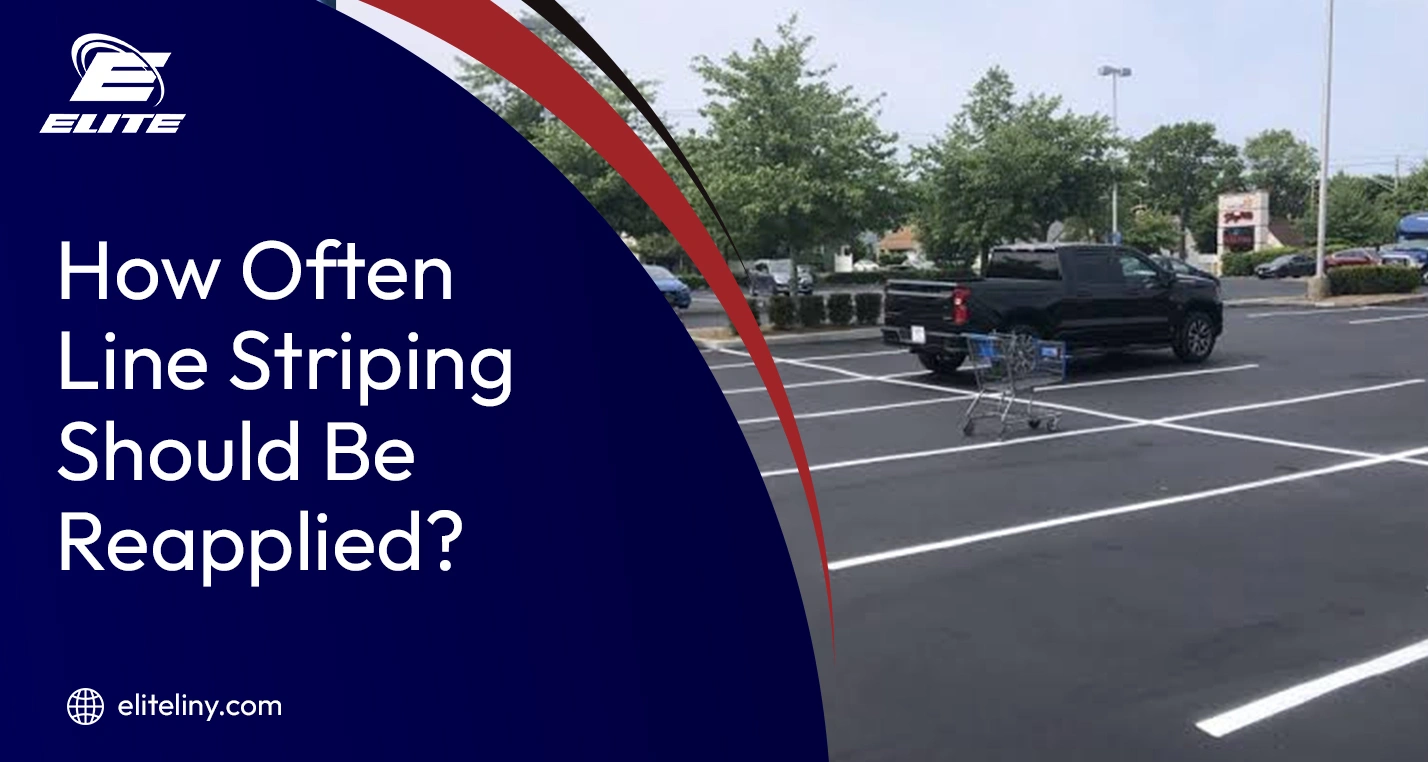
Your parking lot shows cracks, faded lines, and puddles after every storm. You wait too long to fix them. Now, repairs cost three times as much as early fixes. Small issues quickly turn into bigger structural problems. Most property owners check their lots too rarely. Knowing the right parking lot inspection frequency helps prevent costly damage before it spreads. It keeps your property safe and looking good for customers. Here’s exactly how often you need to inspect.
| Quick Answer
The best inspection plan uses three layers. Monthly checks catch cracks and debris fast. Quarterly maintenance handles potholes and drainage problems. Annual professional reviews cover structure and compliance rules. Retail and hospital lots need more frequent checks. Warehouses can wait longer between inspections. Getting the right frequency stops damage before costs spike. Your lot stays safe and looks professional. |
Factors That Determine Inspection Frequency
Several things change how often your lot needs checking. Weather, traffic volume, and property type all matter. Understanding these helps you build the right schedule.
- Weather conditions – Snow, ice, and rain crack asphalt fast in cold regions. Wet climates pool water and speed up damage. Plan more checks after storms.
- Traffic volume – Heavy trucks and constant cars wear pavement down quickly. More cars mean more cracks and potholes. High-volume lots need monthly checks.
- Age of pavement – Older lots show structural issues that need close monitoring. Newer asphalt holds up better. Watch aging surfaces for weak spots.
- Property type – Retail and healthcare need stricter rules than warehouses. Customer safety matters more. Adjust frequency based on your property needs.
- Drainage quality – Poor drainage pools water and speeds up crack formation. Good systems protect asphalt. Check grates and channels quarterly.
- Previous repairs – Recently patched spots need follow-up checks within months. Old repairs may fail. Track repair history for timing.
Commercial Parking Lot Inspection Frequency: How Often Is Enough?
Most owners guess at inspection schedules. But the right frequency depends on traffic, weather and property use. Here’s what works for commercial lots.
Recommended Inspection Schedule
The best approach uses three layers. Monthly visual checks, quarterly maintenance visits, and annual professional reports. This combo catches problems early and keeps costs down. Monthly checks handle debris and markings. Quarterly visits focus on drainage and surface wear. Annual assessments cover structure and compliance.
Monthly Visual Inspections
Inspect your parking lot monthly for new cracks, oil spills and debris buildup. Check faded lines and clear drainage grates. Fast checks prevent costly fixes later. Sealing a small crack today stops a huge hole tomorrow. Write down what you find each month.
Quarterly Maintenance Inspections
Every three months, hire a maintenance team. They spot potholes, seal cracks, and check drainage. Inspect sealcoat quality as well. This stops small problems before winter. Cracks sealed in October block water damage in January. Quarterly maintenance keeps your lot smooth all year.
Annual Professional Assessments
Call a pavement expert annually for full assessments. They assess pavement condition, evaluate subsurface moisture or drainage issues, and review ADA-related accessibility features. Reports guide your repair budget. Professionals find hidden issues you overlook. This prevents sudden failures and protects your property from costly surprises.
Recommended Inspection Schedules by Property Type
Not all lots need the same schedule. Retail centers get more traffic than warehouses. Hospitals need stricter ADA rules. Here’s how inspection frequency changes by property type.
Retail Shopping Centers
Retail lots get heavy daily traffic. Customers park for hours, loading carts and returning often. Inspect monthly for faded lines and cracks. Do quarterly sealcoating. Periodic ADA compliance reviews help maintain accessibility standards and reduce compliance risks. Think about it: a smooth lot keeps customers happy and safe. Bad parking drives them away.
Office Buildings
Office lots peak during morning and evening hours. Employees park daily, creating wear patterns. Monthly visual checks catch oil stains and cracks. Quarterly maintenance handles drainage. Annual professional reviews ensure ADA compliance efforts. Good pavement keeps employees safe and visitors comfortable.
Warehouses and Distribution Centers
Warehouses face heavy truck traffic. Forklifts and delivery vans crush asphalt faster. Inspect monthly for potholes and cracks. Quarterly sealcoating prevents water damage. Annual assessments check for structural weakness. Poor pavement slows operations and damages vehicles. Regular checks keep trucks moving smoothly.
Healthcare Facilities
Hospitals and clinics need strict ADA compliance. Patients and emergency vehicles create constant traffic. Weekly visual checks for safety hazards. Monthly inspections for cracks and markings. Quarterly maintenance for drainage. Annual professional ADA audits are critical. Poor pavement blocks access for those who need it most.
Hotels and Hospitality Properties
Hotels welcome visitors daily. Guests expect smooth, clean parking. Monthly checks for faded lines and stains. Quarterly sealcoating maintains curb appeal. Annual professional reviews ensure guest safety. A bad lot kills first impressions. Think about it: guests judge your hotel by its parking.
What Should Be Checked During a Parking Lot Inspection?
A real inspection covers more than cracks. You need to check markings, drainage, signage and compliance. Here’s what to look for every time.
- Cracks and surface deterioration – Small cracks become big ones if water enters. Seal them fast.
- Potholes – These trip pedestrians and damage tires. Fill them within days.
- Drainage issues – Water pooling causes cracks and ice. Clear grates and channels regularly.
- Fading pavement markings – Faded lines confuse drivers and violate safety rules. Repaint quarterly.
- Curb damage – Broken curbs let water damage the lot base. Repair cracks quickly.
- ADA compliance features – Ramps, slopes and spaces must meet legal standards. Test annually.
- Signage and traffic control elements – Missing signs cause accidents. Check visibility monthly.
Let’s explain each in detail.
Cracks and Surface Deterioration
Cracks start small but grow fast. Water enters, freezes and widens the gap. Seal cracks within weeks. Check for alligator cracking, linear cracks and edge breaks. Surface wear shows as rough patches or thinning asphalt. Fix early to avoid costly replacement.
Potholes
Potholes happen when water weakens the base. Trucks hitting them spread damage fast. Fill potholes within days. Use cold patch for quick fixes or hot mix for long-term repair. Check for new potholes monthly. One hole can become ten if ignored.
Drainage Issues
Water is asphalt’s worst enemy. Poor drainage causes cracks, ice and base failure. Check grates, channels and slopes quarterly. Clear debris monthly. Look for pooling after rain. Fix drainage fast to save the pavement. Think about it: good drainage extends a lot life by years.
Fading Pavement Markings
Faded lines confuse drivers and violate safety codes. Repaint quarterly or when visibility drops. Check parking space lines, arrows and crosswalks. Use high-quality paint for durability. Good markings reduce accidents and improve traffic flow. Don’t wait until lines are gone.
Curb Damage
Broken curbs let water reach the base. This causes cracks and settling. Check for cracks, chips and missing sections monthly. Repair quickly to protect the pavement edge. Curb damage also looks bad to customers. Fix it for safety and appearance.
ADA Compliance Features
ADA rules cover ramps, slopes and reserved spaces. Violations lead to lawsuits. Test slopes and ramp heights annually. Check for clear access paths. Fix uneven surfaces fast. Keep reserved spaces visible. Annual professional audits ensure compliance and protect your business from legal risk.
Signage and Traffic Control Elements
Missing or faded signs cause accidents. Check visibility monthly. Replace damaged signs fast. Look for enter/exit signs, speed limits and parking rules. Good signage guides traffic and reduces collisions. Keep signs clean and bright. This small step prevents big problems.
Who should perform parking lot inspections?
Monthly checks can be done by property staff. Quarterly and annual inspections need pavement experts. Trained crews provide all inspection levels for commercial properties.
Are annual inspections enough?
No. Annual checks miss fast-growing problems. Monthly visual checks and quarterly maintenance catch issues early. Annual professional assessments handle structure and compliance. Three layers work best.
How much does a professional parking lot inspection cost?
Costs vary by lot size and service level. Basic visual checks cost less. Full professional assessments with ADA testing cost more. Contact for a custom quote based on your property size and needs.
Conclusion
Your parking lot needs monthly visual checks, quarterly maintenance, and annual professional assessments. The right parking lot inspection frequency prevents small cracks and faded lines from becoming costly repairs. High-traffic properties like retail and hospitals need stricter schedules. Catching issues early saves money and prevents safety risks. Don’t wait for damage to spread across your lot.
Elite Parking Area Maintenance offers 24/7 inspection services with expert crews. We handle monthly inspections, quarterly sealcoating, and annual ADA audits for all property types to help protect businesses from costly parking lot damage and compliance issues caused by damaged parking lots. Our team works across commercial, retail, corporate and industrial sites. Call us today for a custom inspection schedule that fits your property needs and budget.