
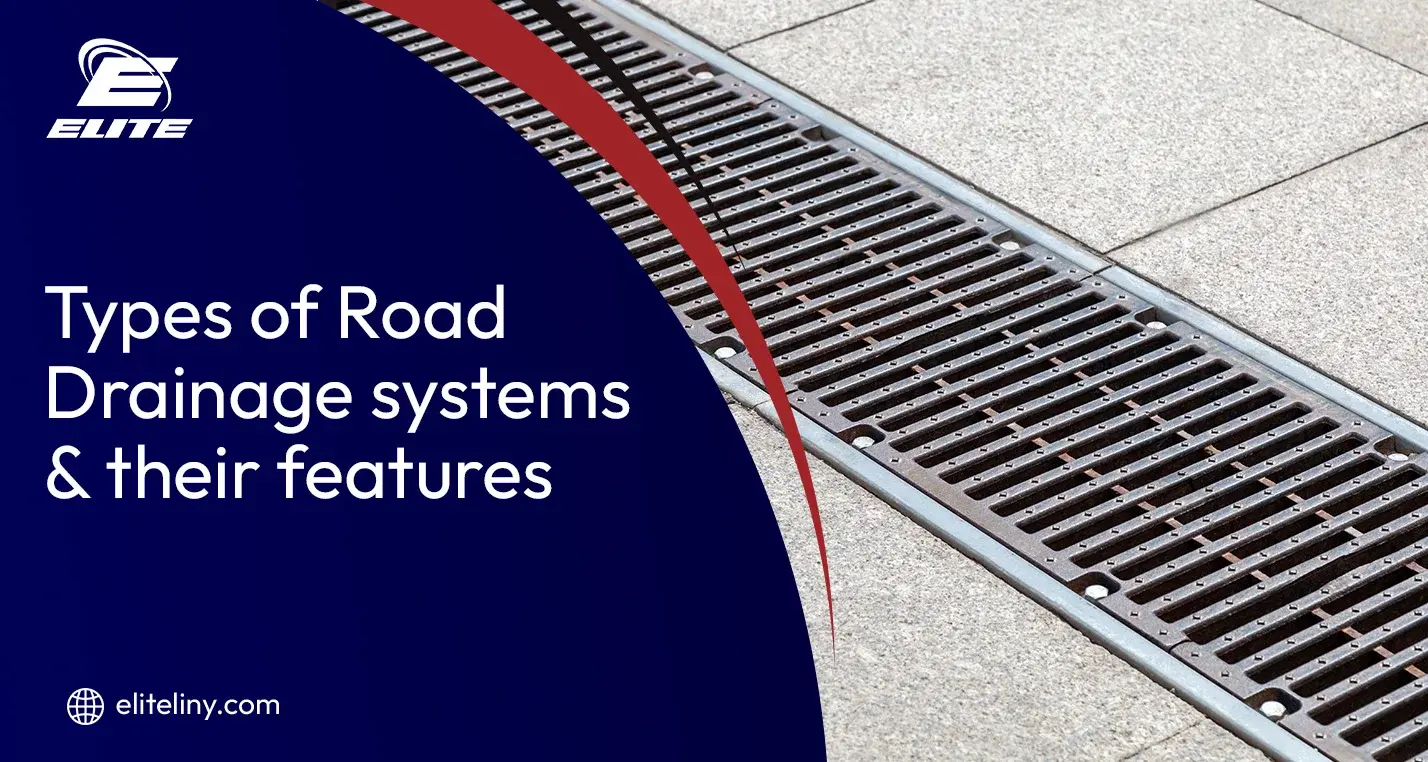
Types of Road Drainage Systems and Their Features
Road drainage systems play a vital role in keeping our roads safe and strong. Heavy rain can damage pavement quickly without proper water removal. Good road drainage systems move water away fast. They prevent flooding, reduce accidents, and extend road life significantly.
Different types handle surface water, underground flow, or both. You see them on highways, city streets, and parking lots everywhere. This guide explores the main types of road drainage systems and their features. Learn how each one works and why it matters for safety and durability.
Key Takeaways
- Road drainage systems include surface and subsurface types for complete water control.
- Surface drainage uses slopes and ditches for quick, visible runoff removal.
- Subsurface options protect road bases with pipes and gravel layers.
- Longitudinal and cross systems manage flow along or under roads.
- Choosing the right type depends on climate, terrain, and traffic needs.
Understanding Road Drainage Systems
Road drainage systems collect and direct water away from paved areas. They keep roads dry and stable in all weather conditions. Proper drainage prevents water from weakening the base layers over time. It reduces potholes and cracking, too.
Surface drainage handles visible runoff while subsurface drainage manages hidden groundwater. Both work together for the best results on busy roads and parking lots. Experts design these systems carefully. They consider local rainfall patterns and soil types. Good planning avoids expensive repairs later. You benefit from smoother drives and fewer delays.
Common Types of Road Drainage Systems and Their Key Features
Roads need smart water management to last longer. Several road drainage systems exist for different situations. Each type offers special advantages.
1. Surface Drainage
Surface drainage removes water you can see on the road. It relies on slopes and open channels for fast action. This system prevents puddles that cause hydroplaning. Water flows off quickly to the sides.
You find it on many highways and rural roads. It stays simple yet very effective with regular care. Engineers build slight slopes into the pavement. Water runs to the edges naturally.
Features of Surface Drainage
- Open ditches and gutters collect water from road edges efficiently.
- Road camber and cross slope push water toward the sides.
- Easy maintenance involves simple debris removal with basic tools.
- Cost-effective solution works well for large rural areas.
- Quick surface water removal improves driver safety right away.
- Grassed swales filter pollutants before water enters streams.
2. Subsurface Drainage
Subsurface drainage works below the road surface. It handles water that seeps into the ground. This system protects the road base from softening.
Pipes and filters remove hidden moisture effectively. Cold climates benefit greatly from frost protection. Roads last longer with less damage overall. Installation often happens during initial construction.
Features of Subsurface Drainage
- Perforated pipes collect and carry away underground water steadily.
- Gravel filter layers clean water and prevent clogging naturally.
- Prevents water infiltration into sensitive road base layers.
- Protects the road base from weakening and settlement issues.
- Frost protection stops ice formation that cracks pavement.
- Long service life reduces future repair frequency significantly.
3. Longitudinal Drainage
Longitudinal drainage runs parallel to the road. It carries water along the entire length.
This setup handles continuous runoff from slopes. It pairs well with side drains. Highways rely heavily on it for safety. Regular inspections keep everything working smoothly. It prevents water accumulation in low spots.
Features of Longitudinal Drainage
- Runs parallel to the roadway for consistent water movement.
- Handles continuous runoff along extended road sections.
- Works with side drains for complete edge protection.
- Ideal for highways with steady traffic and grades.
- Easy inspection and cleaning maintain optimal performance.
4. Cross Drainage
Cross drainage moves water from one side to the other. It carries flow beneath the road structure. Culverts and small bridges handle streams or runoff. This prevents dangerous erosion around foundations. High-capacity designs manage heavy storms. Rural and hilly areas need it most. Proper sizing avoids backups during floods.
Features of Cross Drainage
- Uses culverts and bridges to carry water beneath roads.
- Carries water beneath the road without surface disruption.
- Prevents erosion along embankments and shoulders.
- High-capacity water flow manages major storm events.
- Suitable for rivers and streams crossing road paths.
5. Side Drainage
Side drainage protects the edges of roads. It controls water near the shoulders effectively. This system reduces soil washout over time. It supports the main surface drainage nicely. Easy access helps with routine maintenance. It keeps the shoulders stable for safer driving.
Features of Side Drainage
- Protects road shoulders from water damage and erosion.
- Controls runoff before it reaches vulnerable areas.
- Reduces soil erosion along road edges effectively.
- Supports surface drainage for better overall results.
- Easy maintenance keeps the system functioning well.
6. Gutter Drainage
Gutter drainage collects water from paved city surfaces. Concrete channels direct it to storm systems. Urban roads rely on it during heavy rains. It reduces street flooding dramatically. Smooth designs keep traffic moving safely. Cities integrate them into curb systems often.
Features of Gutter Drainage
- Collects runoff from paved surfaces efficiently.
- Connects to storm sewer systems for proper disposal.
- Durable concrete channels withstand heavy traffic loads.
- Suitable for urban roads and dense neighborhoods.
- Reduces street flooding during intense rain events.
7. French Drains
French drains offer underground water control. Gravel trenches with pipes remove excess moisture. They work well in clay soils or low spots. Water seeps in and flows away slowly. Low maintenance fits many budgets. Homeowners and engineers use them widely.
Features of French Drains
- Gravel-filled trenches filter water naturally.
- Perforated drainage pipes carry water away underground.
- Controls groundwater levels around road structures.
- Prevents soil saturation that weakens foundations.
- Low maintenance once properly installed.
8. Slot and Trench Drains
Slot and trench drains feature narrow openings on surfaces. They handle heavy water volumes. Strong covers support vehicle traffic safely. Parking lots and commercial areas use them often. Easy access simplifies cleaning. Modern designs blend with pavement nicely.
Features of Slot and Trench Drains
- Narrow drainage openings collect water discreetly.
- High water capacity manages heavy rainfall.
- Strong load-bearing covers support vehicles safely.
- Ideal for parking lots and commercial roads.
- Easy access for maintenance and inspections.
Factors to Consider When Choosing the Right Road Drainage System
Several key points guide your choice of road drainage systems. Match the system to the actual site needs carefully. Proper selection prevents flooding damage and costly repairs later.
Road Type and Traffic Volume
Road type and traffic volume influence durability requirements greatly. Busy highways need robust options that handle constant heavy loads. High traffic areas demand stronger materials and frequent inspections. Residential streets can use lighter systems successfully. Matching the system to the expected vehicle volume extends the overall lifespan significantly.
Rainfall and Climate Conditions
Rainfall and climate conditions determine capacity levels clearly. Wet regions require faster water removal to avoid standing puddles. Areas with frequent storms benefit from oversized channels and backup systems. Dry climates allow simpler designs with lower capacity. Historical weather data helps engineers choose the right size every time.
Soil Type and Groundwater Level
Soil type and groundwater level affect subsurface needs strongly. Clay soils demand extra care because they drain poorly. High water tables call for advanced perforated systems and deeper installations. Sandy soils allow quicker natural drainage with less intervention. Proper soil testing guides the best long-term solution for any project.
Terrain and Road Slope
Terrain and road slope shape longitudinal or cross designs carefully. Steep areas need careful planning to control fast runoff speeds. Flat terrain might require pumps or additional grading for proper flow. Hillsides benefit from cross drainage to prevent washouts. Accurate slope measurements ensure water moves away safely and efficiently.
Drainage Capacity Requirements
Drainage capacity requirements must handle worst-case storms reliably. Oversizing prevents failures during extreme weather events. Engineers calculate peak flow rates based on historical weather data. Under-sized systems lead to flooding and pavement damage quickly. Building extra capacity protects roads and reduces future maintenance needs.
Installation and Maintenance Costs
Installation and maintenance costs impact long-term budgets heavily. Balance upfront expenses with future repair needs wisely. Cheaper systems may need more frequent repairs while premium options save money over decades. Factor in labor, material, and equipment costs early. Sustainable choices often deliver better value across the full lifespan.
Local Regulations and Environmental Requirements
Local regulations and environmental requirements set important standards. Permits often cover water quality and runoff control too. Many areas now encourage sustainable solutions like rain gardens or permeable pavements. These reduce runoff pollution and support local ecosystems effectively. Consider future climate changes during planning stages carefully. Rising rainfall intensity makes flexible designs more valuable. Consult local engineers early for best results.
Conclusion
Proper road drainage systems keep roads safe, strong, and dry for many years. Each type serves specific purposes based on conditions, traffic, and climate. Surface options handle visible water while subsurface protects hidden layers. Combine systems for the best performance on any project. Smart choices prevent costly repairs later. Contact Elite Parking Area Maintenance today for expert road and parking lot drainage solutions.
FAQs
-
What are the main types of road drainage systems?
Main types include surface, subsurface, longitudinal, cross, side, gutter, French, and slot drains. Each manages water differently for optimal road protection.
-
Which road drainage system is best for highways?
Longitudinal drainage works best for highways. It handles continuous runoff along the length effectively. Combine with cross drainage where needed.
-
Why is subsurface drainage important for roads?
Subsurface drainage removes hidden water. It protects the road base from weakening and frost damage. Roads last much longer as a result.
-
How often should road drainage systems be inspected?
Inspect systems at least twice yearly. Check after heavy storms too. Early cleaning prevents major blockages and damage.