
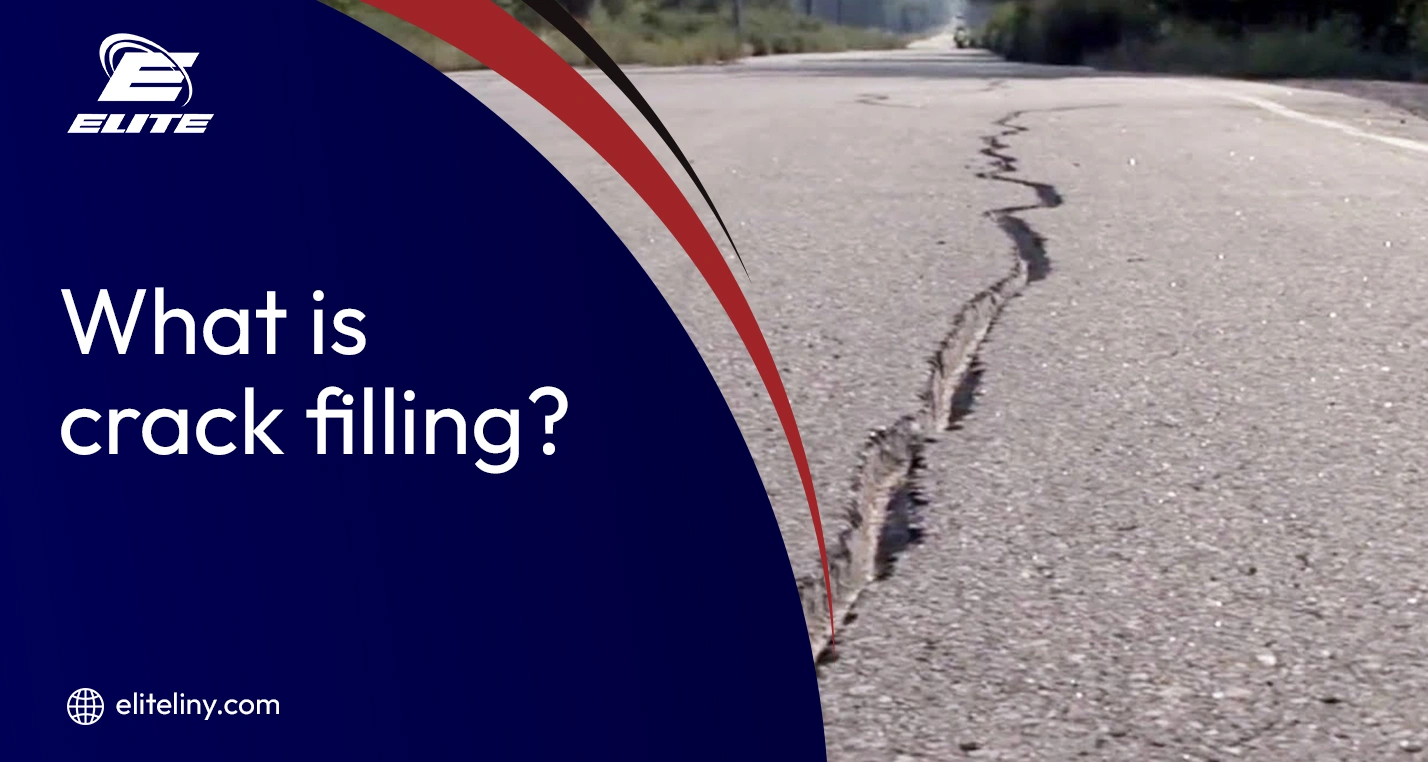
Asphalt cracks start tiny but grow into bigger problems fast. Water enters those openings and undermines pavement strength from below. Early action can stop that cycle. What does crack filling really mean for asphalt maintenance?
| Core Takeaways
Crack filling means sealing narrow asphalt cracks to block water and slow pavement damage. It is a preventive repair that works best on small, stable cracks. Closing openings early helps protect the base, extend pavement life, and reduce future repair costs. It is not meant for large structural failures or actively moving cracks. |
What Does Crack Filling Mean?
Crack filling is a maintenance process that seals narrow asphalt cracks. The goal is to stop water from entering the pavement system. It also helps keep dirt and debris from widening the damage. This repair works best when cracks are still small and stable. It is one of the easiest ways to slow pavement decay.
The main idea is simple. Fill the crack before it becomes a larger problem. That small action helps protect the surface and lower layers underneath. It also gives asphalt more time before major repairs become necessary. For property owners, that means better performance and fewer surprises.
Why Crack Filling is Important for Asphalt Surfaces
Cracks are more than a surface flaw. They create an open path for moisture and dirt. Once water enters, it can weaken the asphalt from the inside. Crack filling helps prevent that process from worsening. That makes it a smart step in pavement care.
Prevents Water Damage
Water is one of asphalt’s biggest enemies. It seeps through cracks and reaches weaker layers below. Over time, that moisture causes soft spots and surface breakdown. Crack filling seals those openings and slows the damage cycle.
This matters most during rain and freeze-thaw changes. Water inside cracks expands when it freezes, widening cracks. Even a small crack can grow quickly under repeated weather stress. Sealing it early helps prevent that chain reaction.
Protects Sub-Base Strength
The sub-base supports the asphalt above it. When water reaches that layer, the support begins to weaken. A soft base can lead to sinking and surface failure. Crack filling helps keep moisture out of the structure below.
That protection matters because base damage is expensive. Surface problems can often be patched quickly. Deep problems usually need heavier repairs. A sealed crack helps preserve the strength underneath the pavement.
Extends Pavement Life
Crack filling slows down normal wear and tear. It keeps small damage from turning into a major failure. That gives the asphalt more years of useful service. A simple repair today can prevent a much bigger one later.
This is especially useful for commercial properties. Parking lots and drive lanes face constant traffic pressure. Early maintenance helps them stay functional and professional-looking. That longer life saves time, stress, and money.
Reduces Future Repair Costs
Preventive care usually costs less than major reconstruction. Crack filling is a good example of that rule. A small repair can stop larger damage before it starts. That often delays the need for expensive resurfacing or replacement.
Ignoring cracks usually makes the job harder later. The longer water enters the pavement, the more repair work is needed. Early treatment keeps maintenance simpler and more affordable. That is why crack filling is such a practical choice.
How Crack Filling Works (Step-by-Step Process)
Good crack filling depends on proper preparation. The repair must bond well to last. If the crack is dirty or full of debris, the filler will not hold. Each step matters because it affects how the repair performs later.
Cleaning the Crack
The first step is to prepare the crack properly. A clean surface helps the filler bond better. Loose material must come out before anything is added. Without cleaning, the repair may fail sooner.
This step also helps reveal the crack’s true shape. Hidden dirt can make the opening look smaller than it is. Cleaning gives a clearer picture of the damage. That leads to a more accurate and lasting repair.
Removing Dirt, Dust, and Vegetation
Cracks often collect dust, soil, and plant growth. These materials block adhesion and weaken the repair. Weeds are especially harmful because their roots can widen the crack. Removing them helps create a stable repair area.
A clean crack also keeps the filler from sitting on top of debris. It should flow into the opening and fully seal it. When contaminants remain, the bond weakens. That lowers the repair’s long-term value.
Applying Filler Material
Once the crack is clean, filler material is added. The material should fill the opening fully and evenly. It creates a barrier against water, dirt, and air movement. That seal helps protect the pavement structure.
The method depends on crack size and material type. Some products are poured cold. Others are heated before installation. In both cases, the goal is the same. Seal the crack and reduce future damage.
Curing and Finishing
After application, the filler needs time to settle. Some materials cure faster than others. During this stage, the repair should remain undisturbed. Traffic can weaken a fresh repair if it is subjected to too much use too early.
Finishing helps the surface look cleaner and function better. It also reduces the chance of material sticking or shifting. A properly cured crack-filling repair blends into the pavement. That makes the area safer and more durable.
Types of Materials Used in Crack Filling
Choosing the right product helps the repair last longer. Climate and traffic levels also affect the best choice.
Asphalt Emulsion Fillers
Asphalt emulsion fillers are water-based products. They are commonly used for light-to-moderate maintenance work. These fillers are flexible and easy to apply. They help seal smaller cracks before they get worse.
They are often used where movement is limited. That makes them a practical option for basic surface protection. They are not the strongest choice for heavy stress. Still, they work well for early-stage upkeep.
Rubberized Asphalt
Rubberized asphalt contains flexible material that helps it move. That flexibility is useful when pavement expands and contracts. Temperature changes can cause asphalt to expand and contract. Rubberized material helps the seal stay intact longer.
This type often performs well in harsh weather conditions. It can stretch without breaking as easily. That gives it an advantage in active crack areas. Many property owners choose it for better durability.
Cold Pour Fillers
Cold pour fillers are easy to use because they need no heating. They are convenient for smaller or quicker maintenance jobs. Many property owners like them for basic repairs. They can be applied with less equipment and setup.
Hot Applied Fillers
Hot-applied fillers are heated before use. That helps them flow better into the crack. They often create a stronger and more reliable seal. Many professionals use them for demanding repair jobs.
When Should You Use Crack Filling?
Crack filling works best when the damage is still small. It is not meant to rescue badly broken pavement. The right timing makes a big difference in performance. Early action usually gives the best return.
Small Surface Cracks
Small cracks are ideal for crack filling. These cracks are narrow and still manageable. Sealing them early stops water from entering deeper layers. That helps prevent more serious pavement problems.
If left alone, small cracks will widen over time. Traffic and weather keep pushing them open. Filling them early keeps the repair simple. It also helps preserve the surrounding pavement.
Low Traffic Areas
Low traffic areas often experience less stress. That makes them suitable for crack-filling repairs. Since the pavement moves less, the seal lasts better. These spots are good candidates for preventive work.
Examples include storage zones and light-use drive paths. Areas like these do not face constant heavy loading. That allows the filler to perform more steadily. The repair can protect the surface for longer.
Early-Stage Pavement Damage
Crack filling is best when damage has just started. Early-stage problems are easier to control. The surface has not yet deteriorated significantly. That gives the filler a better chance to hold.
Waiting too long usually changes the repair needs. Small cracks can turn into edge failure or potholes. Once that happens, crack filling is no longer enough. Early treatment is always the smarter move.
Conclusion
Crack filling means sealing asphalt early to protect against water damage and base erosion. It slows wear and extends pavement life when done right. The best results come when cracks are still small and stable. Larger or moving cracks need different solutions. Used at the right time, this repair significantly reduces future costs.
For property owners who want dependable asphalt maintenance, crack filling is a smart first line of defense. Elite Parking Area Maintenance can help keep your pavement sealed, strong, and ready for daily use.
FAQs
Is crack filling permanent?
No, crack filling is not usually permanent. It is a maintenance repair meant to slow the progression of damage. Over time, weather and traffic can affect the seal. Still, it can greatly extend pavement life when used early.
How often should crack filling be done?
That depends on pavement condition and traffic levels. Some surfaces need attention sooner than others. Regular inspection helps spot new cracks early. Repairing them quickly usually gives the best results.
Can I do crack filling myself?
Small repairs may be possible for some property owners. The surface still needs proper cleaning and the right material. Professionals better handle larger or more serious damage. Good preparation makes a major difference in repair quality.