
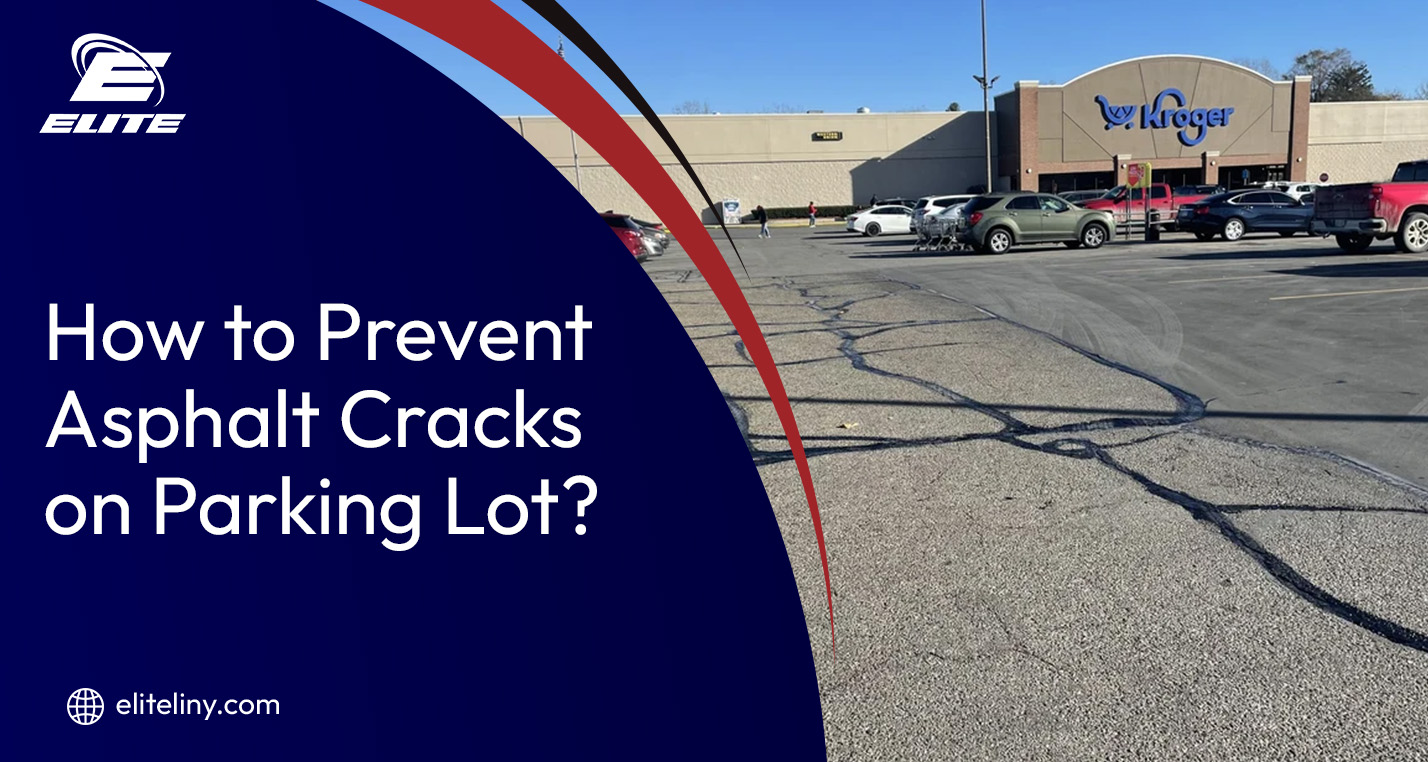
A smooth parking lot does more than improve the appearance of a property. It also supports safety, lowers repair costs and helps traffic move well. Cracks usually begin small and worsen quickly. That is why owners ask “How to prevent asphalt cracks on parking lots?”
| Quick Answer
Asphalt cracks are easier to prevent than to repair later. A good drainage system helps stop water from weakening the base. Sealcoating keeps the surface protected from aging and moisture. Crack sealing blocks small openings before they become larger breaks. Regular inspections, cleaning and quick pothole repair keep the lot in better shape. High-quality installation also supports longer pavement life under daily traffic. |
Step-by-Step Guide to Prevent Asphalt Cracks
Asphalt usually cracks when water enters weak spots and traffic pressure keeps growing. Good prevention comes from small actions done on time. Each step below protects the surface and the base.
1. Ensure Proper Drainage System
Water is one of asphalt’s biggest enemies in commercial parking lots. When rain sits too long, it seeps through weak spots. That moisture softens the base and breaks pavement support over time. Proper grading helps water move away from the surface quickly. Clean drains, catch basins and inlets keep the system working. A dry lot usually stays stronger and lasts much longer.
2. Apply Regular Sealcoating
Sealcoating gives asphalt a protective layer against daily wear. It helps block moisture, sunlight, oil and chemical spills. Without that layer, asphalt dries out and becomes brittle faster. Brittle pavement is far more likely to crack under pressure. Many lots benefit from sealcoating every few years. The right schedule depends on traffic, climate and current surface conditions.
3. Fill Small Cracks Early (Crack Sealing)
Tiny cracks rarely stay tiny for very long. Rainwater enters them and reaches deeper pavement layers below. Cold weather can make trapped water expand and cause further damage. Heavy traffic then pushes those weak areas even harder. Early crack sealing closes the opening before damage spreads. This simple step often prevents expensive repairs later. It also helps preserve a smoother and safer parking surface.
4. Schedule Routine Inspections
Routine inspections help catch problems before they worsen. Small cracks, edge damage and pooling water appear early. If no one checks the lot, those warning signs stay unnoticed. A planned inspection schedule keeps maintenance from becoming reactive. Spring and fall are smart times for closer reviews. Extra checks after storms or winter weather are also helpful. Early action usually costs less than major structural repair.
5. Control Heavy Load Traffic Areas
Not every part of a parking lot experiences the same pressure. Delivery zones and dumpster pads take more stress daily. Repeated heavy loads can bend and weaken asphalt layers faster. That pressure often creates cracks in the same spots. A stronger design is important for high-load sections. Traffic routing can also reduce wear on vulnerable areas. Protecting stress points helps the whole lot age more evenly.
6. Clean Surface Regularly
A clean parking lot stays healthier than a neglected one. Dirt, leaves and trash trap moisture on the surface. Oil stains can also weaken asphalt over time. Debris may hide early cracks that need quick attention. Regular sweeping keeps the pavement easier to inspect. Fast cleanup after spills helps protect the surface coating. Clean pavement also looks better for customers and tenants every day.
7. Repair Potholes Immediately
Potholes do not appear out of nowhere on asphalt lots. They often begin with ignored cracks and trapped water. Once a pothole opens, damage spreads around its edges. Vehicles hitting that spot increase the breakdown very quickly. Immediate repair stops the hole from growing wider. It also reduces risk for cars, pedestrians and the surrounding pavement. Fast action keeps one damaged area from affecting the whole lot.
8. Use High-Quality Asphalt Materials During Installation
Crack prevention starts long before the first repair visit. Good pavement depends on strong installation from the beginning. The base must be stable and properly compacted. The asphalt mix must match expected traffic and site needs. Poor materials often fail early under weather and pressure. Skilled installation helps the surface cure and perform correctly. A well-built lot gives every later maintenance step better results.
Conclusion
Preventing asphalt cracks takes planning and steady care over time. Drainage, cleaning, sealcoating, inspections and fast repairs all matter. High-quality installation gives the pavement a much stronger start. Property owners still asking, How to Prevent Asphalt Cracks on Parking Lots? should focus on early action before damage spreads. Elite Parking Area Maintenance offers commercial paving, crack sealing, sealcoating, pothole repair and drainage-focused maintenance for busy properties. Their service approach supports safer surfaces, longer pavement life and lower repair stress for managers and owners.
Frequently Asked Questions
What is the best way to prevent asphalt cracks?
The best approach combines drainage control, sealcoating, early crack sealing and regular inspections. No single fix works alone. Asphalt lasts longer when small problems are corrected before water and traffic deepen them.
How often should a parking lot be sealcoated?
Most parking lots need sealcoating every two to three years. Timing depends on traffic volume, weather exposure and pavement condition. A lot with heavier use may need attention sooner than expected.
Can small cracks turn into major damage?
Yes, small cracks can quickly become major damage. Water enters the opening and weakens the lower layers. Traffic then widens the crack and may eventually create potholes, surface breakup and costly repair needs.