
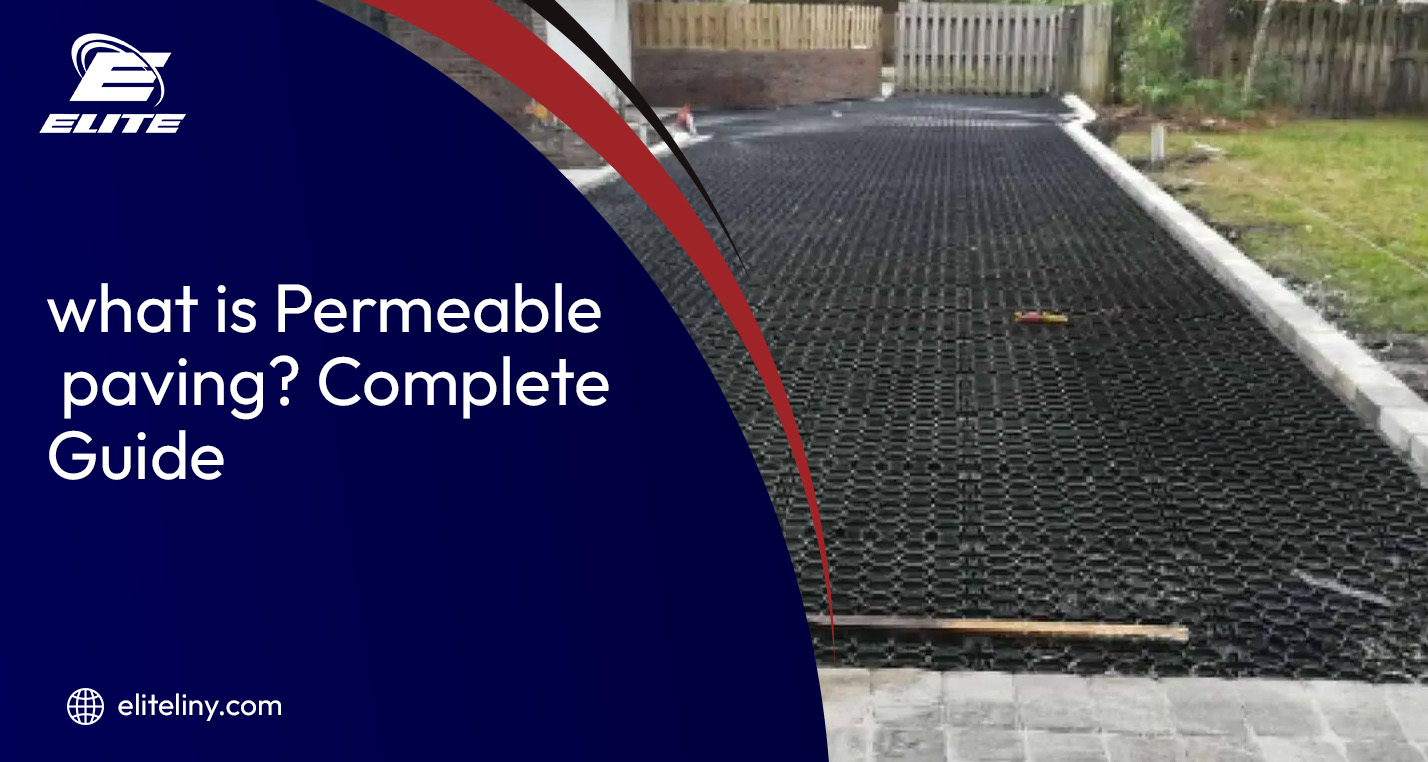
Rainwater can damage paved surfaces and create slippery trouble around busy properties. Smart drainage choices help protect pavement, reduce puddles and improve daily safety. Many owners still ask, “What is permeable paving?” before planning a new surface.
| Quick Answer
Permeable paving is a surface system that lets water pass downward. Water moves through pores or joints into a stone layer below. That layer stores rain briefly and helps it soak naturally. This reduces runoff, standing water and surface splash during storms. It works well where drainage, safety and appearance all matter. |
What does permeable paving mean?
Permeable paving means a paved surface can absorb or pass water. Unlike standard pavement, it does not force all rainwater outward. Water enters through small openings, surface voids, or filled joints. Then it moves into layers that support drainage below. This design helps manage runoff while keeping the surface usable.
Types of Permeable Paving Systems
Permeable paving comes in several forms with different strengths and looks. The right system depends on traffic, drainage goals, maintenance needs and project style.
Permeable Asphalt
Permeable asphalt uses a coarse mix that leaves open spaces. Those spaces let water move through the surface quickly. It suits parking lots and low-speed areas needing a familiar look. It also supports drainage without changing the site’s basic appearance.
Permeable Concrete
Permeable concrete is a rigid surface with connected air spaces. Rain passes through those spaces instead of pooling above. It fits walkways, parking areas and light traffic zones very well. Careful placement and curing help the surface perform well over time.
Pavers with Gaps
This system uses separate pavers with small joints between units. The joints hold stone that lets rainwater pass downward. Many owners choose it for attractive spaces needing a flexible design. It also makes small repairs easier than full surface replacement later.
Gravel-Based Systems
Gravel-based systems use loose stone over a prepared foundation. Water drains through the gravel and into the lower layers. They can be budget-friendly for suitable low-traffic areas. Routine raking and topping up help maintain an even surface.
How Does Permeable Pavement Work?
Permeable pavement works by guiding rainwater through the surface layers. The water enters openings and drops into a stone reservoir below. That reservoir holds water for a short time. From there, moisture filters downward or moves into a drain system safely. Each layer has a job in the process.
- Open pores, joints, or gaps accept rain as it falls. This quick entry limits splash and reduces surface puddles.
- A deep stone base stores water under the paved surface. Empty spaces inside the base help manage heavier rainfall.
- As water moves lower, fine sediment can settle within layers. That process may reduce some pollution reaching nearby drains.
- Native soil below absorbs water at a slower natural pace. This eases pressure on storm drains during normal rainfall.
- Some sites need underdrains because their soil drains too slowly. Overflow paths also protect the system during stronger storms.
- Edge restraints and proper grading keep water moving correctly. Good installation prevents weak spots and uneven settling later.
- Vacuum sweeping removes debris before openings become blocked. Regular cleaning keeps infiltration steady and protects long-term performance.
- Winter care matters because sand can clog the surface quickly. Suitable maintenance methods keep drainage working after cold weather.
Benefits of Permeable Paving
The biggest value of permeable paving is better water control. It helps paved areas stay drier, cleaner and safer. When the system matches the site, owners can also reduce wear. That often supports stronger long-term surface performance. It can also improve daily use after rain.
- Less runoff means fewer puddles across parking and walking areas. Visitors notice cleaner movement and better comfort after rain.
- Water soaking below the surface can reduce erosion nearby. It also helps limit messy splashes around entrances and curbs.
- Drier pavement may improve traction for both tires and shoes. That matters on busy properties where safety affects daily use.
- Storm drains face less pressure when water spreads below ground. This can support better site performance during regular rainfall.
- Many systems offer a neat appearance with practical drainage value. Some options also blend well with landscaping and hard surface design.
- Spot repairs are possible with several types of permeable surfaces. That can simplify maintenance planning for long-term property care.
- When installed correctly, these systems can deliver lasting value. Strong design and regular cleaning help preserve their benefits.
- Permeable surfaces can support smarter planning for drainage-focused upgrades. They work especially well where standing water keeps returning.
Conclusion
Owners often search, “What is permeable paving?” when drainage problems keep returning. The answer is that permeable paving is a practical choice for sites that struggle with water. It can improve drainage, support safety and protect the surface below.
Elite Parking Area Maintenance provides commercial paving, drainage-focused surfaces and exterior property care. Their services support businesses and managed properties needing durable site improvements. A professional plan helps the right system perform well for years. Talk with their team when better drainage matters for your property.
Frequently Asked Questions
Where is permeable paving commonly used?
Permeable paving is used for parking areas, walkways, patios, courtyards and drive lanes. It fits places where puddles and runoff create daily trouble. Better drainage helps protect surfaces and improve safety.
Is permeable paving expensive?
Permeable paving can cost more upfront than standard pavement. Price depends on material choice, site preparation, drainage design and labor. The long-term value often improves when runoff problems and repairs are reduced.
How long does permeable paving last?
Permeable paving can last many years when installation is done well. Lifespan depends on material type, traffic load, climate and maintenance. Regular cleaning helps the surface keep draining as designed.